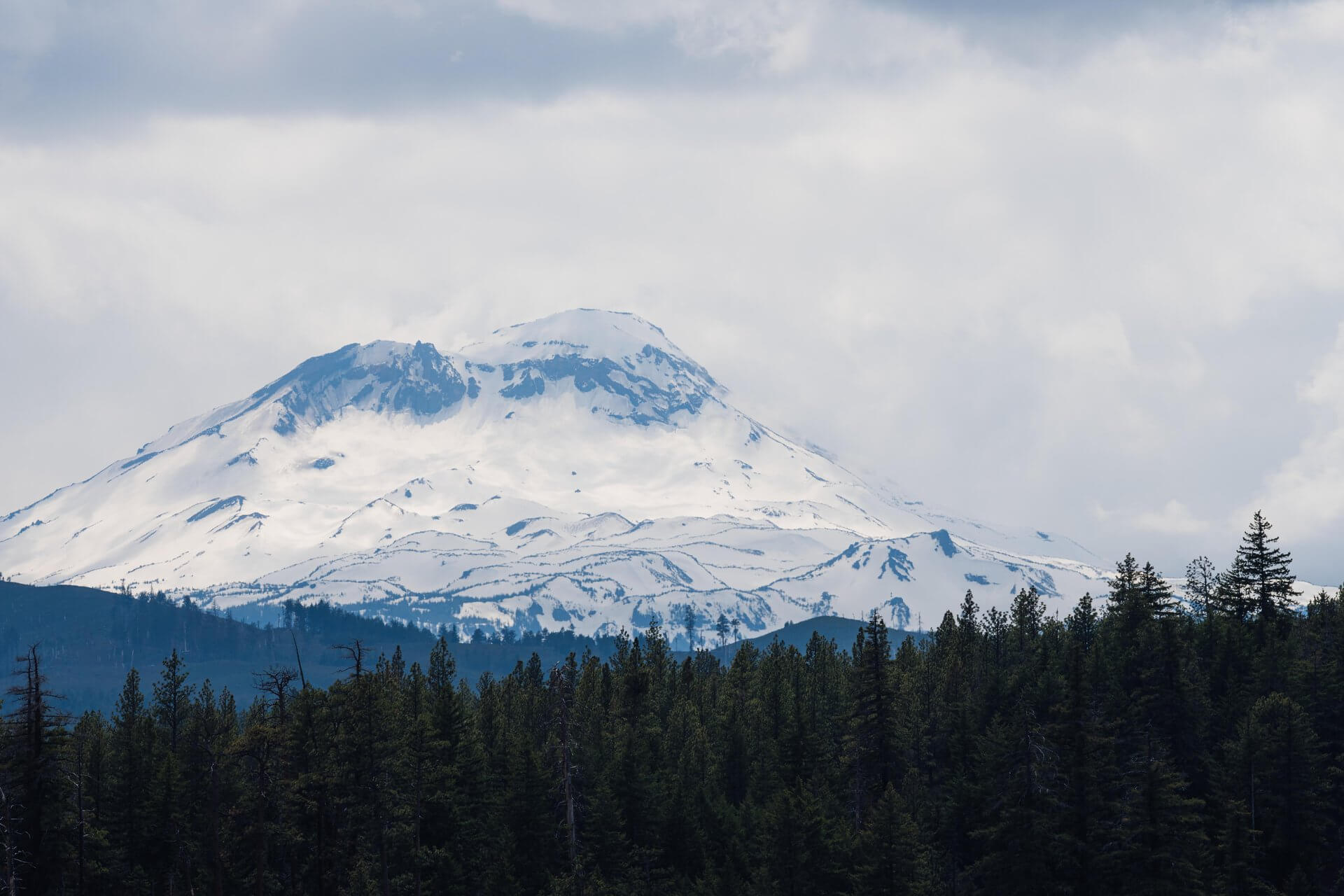
Most Central Oregonians trade their hiking boots for ski boots when the season’s first snow arrives every year, leaving low-elevation trails quiet through most of winter—and wide open for hikers looking to enjoy a peaceful outing.
If you’re looking to stretch your legs and enjoy a slow-paced way to bask in our scenery, winter is a fantastic time to see some of our dramatic landscapes, spy wildlife, and savor a little peace and quiet along Central Oregon hiking trails.
To help you get away from it all, we’ve rounded up a few trails and destinations that make Central Oregon such a spectacular winter wonderland—along with a few tips to help you plan a safe and fun experience:
Keep reading for some of the best hidden hikes in Central Oregon.
Metolius River Trail
The seven-mile Metolius River Trail sits about 19 miles northwest of Sisters and is only about five miles north of Camp Sherman, so it’s an easy day trip from some of Central Oregon’s top basecamps.
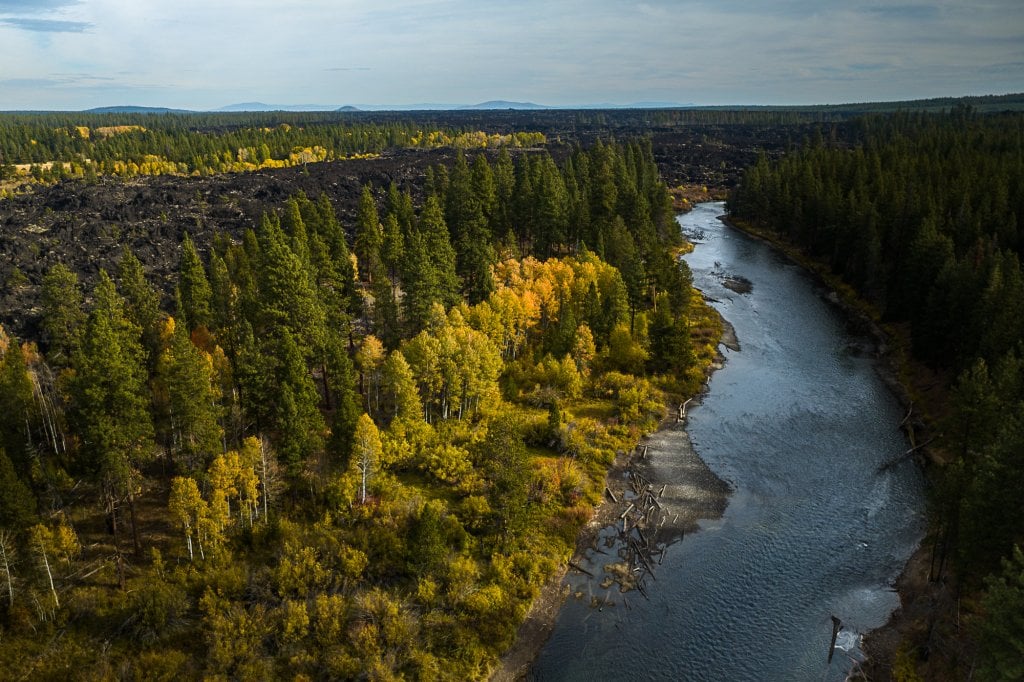
Of course, the Metolius River Trail has much more going for it than easy access. The hike only gains about 250 feet of elevation, most of which comes via rolling hills, while it hugs its namesake waterway. The Metolius River’s rich blue hue is a delight in any season, you’ll enjoy plenty of solitude all winter long, and the Wizard Falls Hatchery is a delightful turnaround point.
Otter Bench Loop
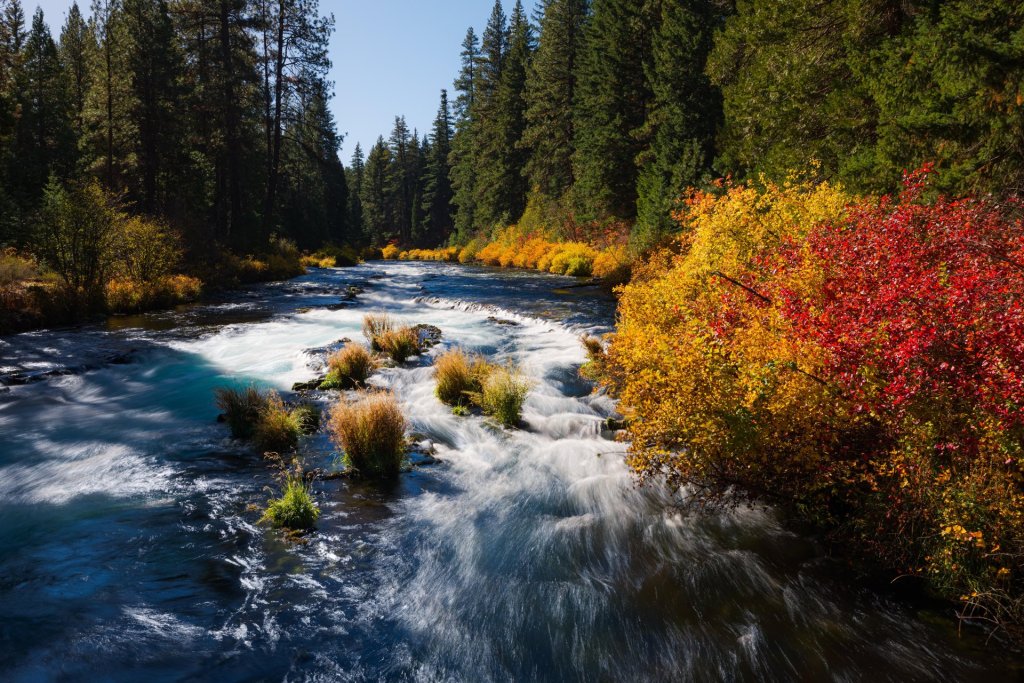
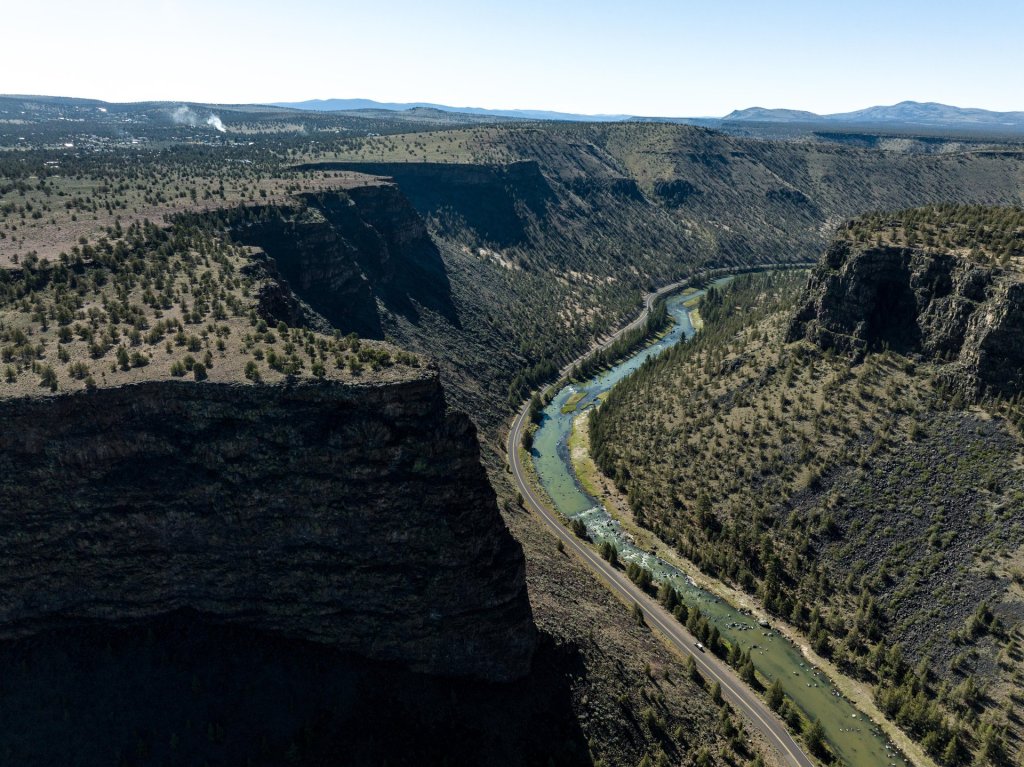
Roughly halfway between Madras and Redmond, the Otter Bench Loop is one of Central Oregon’s top hidden hiking trails all winter long. It is named for a rock “bench” that’s wide enough to welcome hikers in the Crooked River Canyon, with a few spur trails that descend to the river shore. Junipers, sagebrush, and basalt rimrock dominate the landscapes around you, providing scenic views throughout the hike.
Oregon Badlands Wilderness
Nearly 50 miles of trails crisscross the Oregon Badlands Wilderness just east of Bend, making it easy to find hidden hikes wherever you decide to go. Best of all, the federally protected expanse sits at a relatively low elevation—which means you’ll largely have a snow-free experience along the Flatiron Rock Trail and other top hikes across the 29,000-acre expanse. Check out our Oregon Badlands Wilderness winter hike blog post for more insight on the enchanting experience.
Nighthawk Trail
Soak up some sun along the Nighthawk Trail, which covers roughly six miles (round-trip) while gaining just 200 feet. The trail begins at the 12-acre Reynolds Pond and passes centuries-old juniper trees and mounds of basalt lava rock, often under bluebird skies. The trail sees precious little shade, so winter is a pleasant time to enjoy the crisp air and cool temperatures.
Flatiron Rock Trail
See the best of the Oregon Badlands Wilderness on the Flatiron Rock Trail. Over the course of 7.5 miles (round-trip), you’ll pass gnarled juniper trees that date back 1,000 years or more while hiking on a soft, sandy surface—the remnants of ash spewed by Mount Mazama’s eruption 7,700 years ago. (That eruption eventually led to the formation of Crater Lake.) Your turnaround point is Flatiron Rock, a picturesque lava ridge that positively towers over the mostly flat landscapes around you; a trail ascends through a split in the ridge, offering views of Mount Bachelor, the Three Sisters, and other Cascade peaks to the west.
Badlands Rock Trail
Another one of our top hidden hiking trails is the 12.5-mile (round-trip) Badlands Rock Trail. The hike traverses the sagebrush- and juniper-covered landscapes for which the Oregon Badlands are so beloved, with the undeniable highlight being its namesake rock formation. Badlands Rock was created from a lava flow and today resembles a bowl-shaped citadel covered in volcanic boulders. No trails ascend to the top, but sure-footed hikers are welcome to make the climb; from the summit, west-facing views of Cascade peaks await.
Tumulus Trail & Dry River Trail Loop
The Tumulus Trail & Dry River Trail Loop starts beyond the northern border of the Oregon Badlands and, at nearly 15 miles round-trip, offers a hearty day hike for intrepid hikers. It follows an irrigation canal and, along the way, heads through grassy meadows, cuts through squat gorges of lava rock, and passes in the shadow of towering juniper trees. Keep an eye out for some of the several bird species that spend their winters in the area—including wrens, chickadees, and nutcrackers.
Sandy Lily Trail & Mazama Ash Trail
On the west side of the Oregon Badlands, the Sand Lily Trail & Mazama Ash Trail heads into the heart of the wilderness and takes hikers past some of the area’s most notable natural features. The trail measures roughly 10 miles round-trip, with just 320 feet of elevation gain, and takes hikers past lava rocks the size of small cars, massive juniper trees, and the 45-foot-tall Flatiron Rock. This particular loop is made up of a few interconnected trails, so you can pick and choose the specific paths you’d like to take if pressed for time; just be sure to consult a map and keep an eye out for signage at trail junctions throughout your excursion.
Larry Chitwood Loop
The Larry Chitwood Loop begins near the western edge of the wilderness area and offers a number of fascinating sites to pair with near-total solitude all winter long. In all, the 7-mile (round-trip) lollipop loop affords views of rock formations, stands of juniper, and scores of rusted cans—detritus and debris left over from a 1943 military training exercise and preserved for their historical value. Named for a U.S. Forest Service geologist who died in 2008, the trail’s surface is mostly volcanic sand; in winter, the dampness helps firm the sand up and make hiking a bit easier.
Things to Know Before You Go
A little planning goes a long way when you’re tackling some of the hidden hikes in Central Oregon—especially when factoring in winter weather. Here are a few safety tips and recommendations for what to pack on your next adventure.
Safety Tips
You’ll want to keep a few safety tips in mind before setting out on Central Oregon’s hidden hiking trails. Here are a few suggestions to get you started:
- Weather: Be sure to check the weather forecast to help plan what to pack, what to wear, and what to expect while you’re outdoors.
- Road conditions: The Oregon Department of Transportation’s TripCheck tool offers updated alerts, road closures, weather warnings, live traffic webcams, and other resources to help you prepare for changing road conditions.
Tell someone where you’re going: When you’re heading out, especially in winter weather, always be sure to let someone know where you’re going, how long you’ll be gone, and when you expect to check in afterward.

What to Pack for a Winter Hike
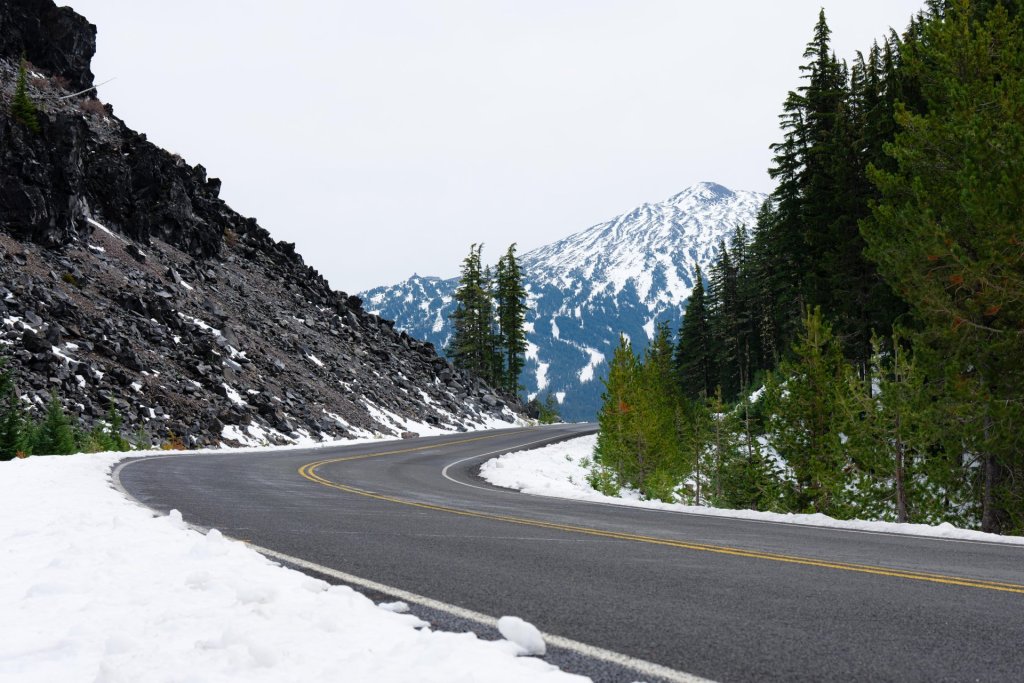
It’s helpful to know what to pack for winter hiking. Start by packing along the 10 essentials for hiking and camping so you can stay safe and have the best possible outdoor experience. Here are a few highlights that are especially helpful in winter:
- Insulation: Stay warm by bringing any necessary layers, including a jacket and rain shell, as well as a hat, gloves, and (if necessary) thermal underwear.
- First-aid supplies: Even a basic first-aid kit, available at any pharmacy or big-box store, can help with scrapes, cuts, and other minor hazards.
- Food: Just in case your hike runs long or plans change, bring along an apple or two, a few extra granola bars, or other snacks to help keep your energy up.
- Hydration: It’s important to stay hydrated at all times. A good rule of thumb is to pack about a half-liter of water per hour of hiking; if it’s a warm day or you’re doing a longer outing, consider upping that to one liter of water per hour of activity.
- Sun protection: Yes, you can get sunburned in winter. Bring a hat and sunglasses, and slather on sunscreen before heading outdoors.
Illumination: In winter, the sun sets at 4:30 p.m. on the winter solstice in December—and can set as early as 5:30 p.m. well into February. Bring at least one source of light—such as a flashlight or headlamp—as well as extra batteries.
Unlock Winter in Central Oregon
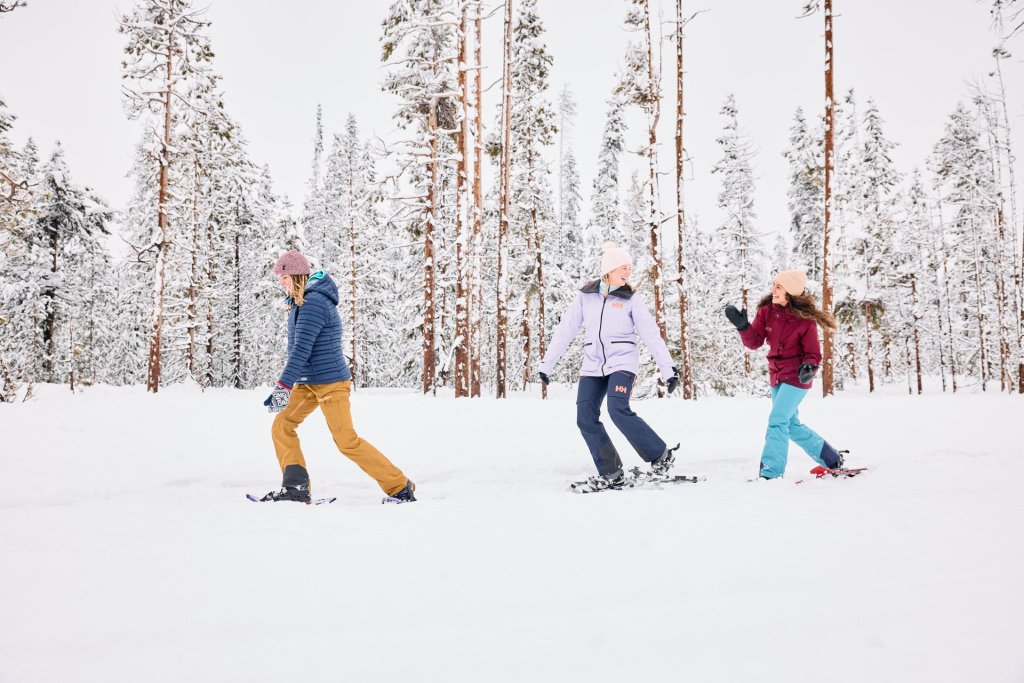
Hidden hikes are just the start of the wintry fun in Central Oregon. If you’re looking for other ideas, explore more winter adventures for our guide to some of the region’s top seasonal activities. Popular outings include snowshoeing our bucolic sno-parks and fat biking through peaceful forests.
Extend your stay at one of Central Oregon’s luxurious resorts. One can’t-miss choice is Tetherow at the southern edge of Bend—and at the doorstep to snowy playgrounds just outside of town, as well as Mt. Bachelor. Learn about planning the ultimate Bend winter vacation at Tetherow Resort.