For millions of years, Central Oregon’s landscapes have literally been shaped and sculpted by volcanic activity — from jagged lava flows in the heart of the Cascades to the Newberry National Volcanic Monument at the edge of our high desert. (Newberry Volcano alone covers 1,200 square miles—nearly the size of Rhode Island.) All over the region, family-friendly stops bring those active landscapes closer than ever by inviting visitors to summit our volcanoes and head underground into subterranean caves.
Whether you’re getting an introduction to our explosive history from Lava Butte and at the Lava Lands Visitor Center, hiking the Big Obsidian Flow Trail, descending into the Lava River Cave, or heading into the Cascades, you’ll find plenty of exciting ideas for exploring Central Oregon volcanic sites:
Full Day Itinerary for Newberry National Volcanic Monument
What to know before Visiting Newberry National Volcanic Monument
Newberry National Volcanic Monument is broken up into three smaller units around Sunriver and La Pine, and it’s easy to visit at least one or two as part of a full-day trip. When planning a trip to Newberry, you’ll want to review all the monument’s attractions—we’ve outlined the highlights below—and see what kind of passes or permits may be required before hitting the road. If you’re hoping to go underground at Lava River Cave, for instance, you’ll need a timed-entry permit between mid-May and mid-September; these are available one week out on a rolling basis.
In addition to possible timed-entry permits, you’ll need a federal recreation pass to visit all of the monument’s sites; acceptable passes include a National Forest Pass and an America the Beautiful Pass. One pass covers entry fees to all three units within the monument.
Most of the monument’s attractions are open between June and early to mid-September; some may be open and snow-free earlier in the season, and some may remain accessible into October. Either way: If planning a visit in spring or early fall, contact the Deschutes National Forest to see what conditions might be like—and to make alternate arrangements if necessary. Cell service may be intermittent throughout the monument’s sites, as well.
Finally: Leashed dogs are permitted on most trails within the monument, but not in Lava River Cave or its visitor centers.
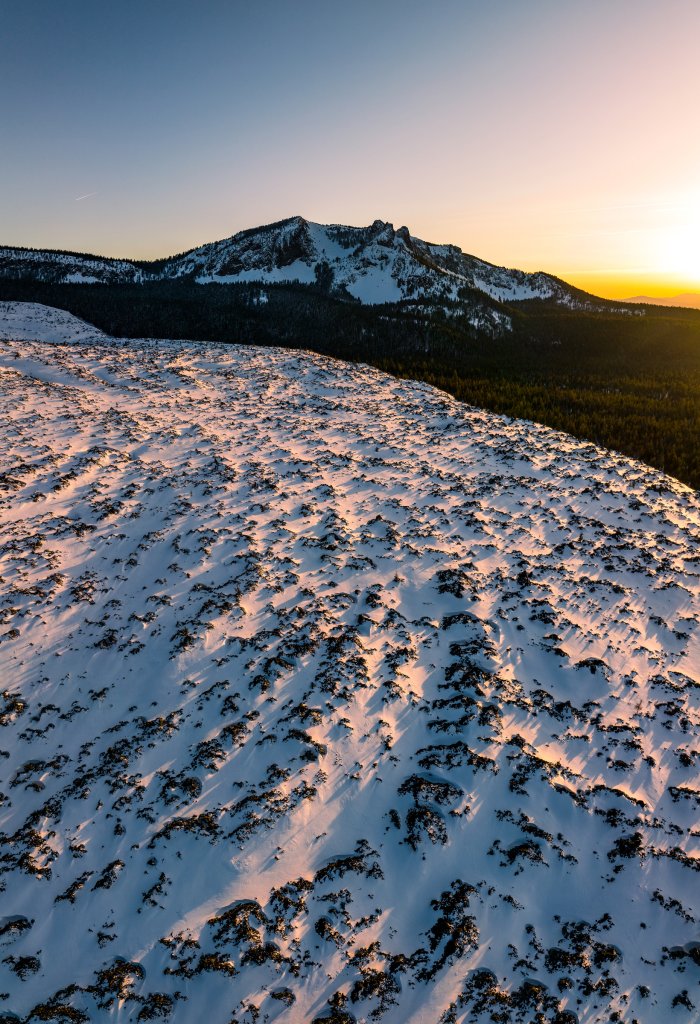
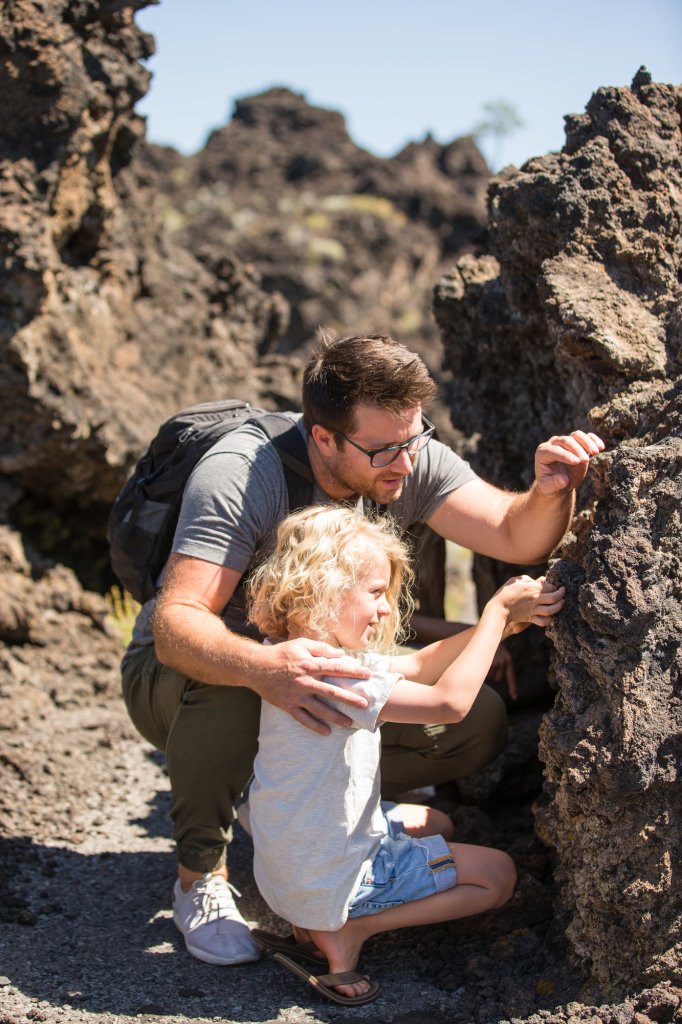
Lava Lands Visitors Center and Lava Butte
There is no better place to start your Newberry adventures than at Lava Lands Visitor Center and Lava Butte, both of which sit between Bend and Sunriver along Highway 97.
Lava Lands Visitor Center is the educational heart of the monument. The seasonally open visitor center hosts maps, exhibits, and multimedia presentations that explain how Newberry formed, its many eruptions over the span of thousands of years, and how those eruptions shaped the Central Oregon landscapes we all know and love today. Just outside, a pair of mostly flat paved paths head through the adjacent lava flow.
Once you’ve gotten familiar with what makes Newberry so special, see for yourself with a trip to the top of the adjacent Lava Butte, which hosts a working fire lookout tower at its peak. Sweeping views encompass the surrounding Central Oregon landscapes, which are pockmarked with dozens of cinder cones in the shadow of several snow-capped Cascade peaks.
Lava Lands and Lava Butte are generally open mid-May to mid-October; specific hours shift throughout the season, so check the Lava Lands Visitor Center website to see when it might be open on your trip. If you’d like to summit Lava Butte, wheelchair-accessible shuttles run between the visitor center and the top of the cinder cone between mid-June and early September—and can be booked on-site for a small fee. Outside of the peak season, visitors may book timed-entry permits to drive personal vehicles to the summit.
Lava Cave Forest
One of the easiest and most fun day trips from Sunriver, OR, is a visit to Lava Cast Forest. There, the paved Lava Cast Forest Trail winds through a lava flow dotted with tree molds that formed roughly 7,000 years ago. As lava flowed down the slopes of Newberry Volcano, it burned the trees in its way and left behind circular molds that remain a fascinating site today. Given its low elevation relative to many of the monument’s other sites, Lava Cast Forest is typically open and accessible between May and November.
Lava River Cave: Oregon’s Longest Lava Tube
Perhaps the most popular attraction anywhere in Newberry National Volcanic Monument is Lava River Cave. The longest lava cave in Oregon measures about 1.1 miles long and is open to hikers between mid-May and mid-September, with surfaces that range from flat boardwalk to the occasional jagged surface.
During this time, Lava River cave tickets are required to enter the lava tube—and are available on Recreation.gov on a seven-day rolling basis; tickets are not sold at the gate and are available only in advance. Pets are not permitted in the lava cave, hikers cannot bring any clothing or gear into the cave that has been in another cave, and hikers should dress warmly (since the cave’s interior is about 42ºF year-round). Two light sources are recommended, and lights can be rented at the cave site.
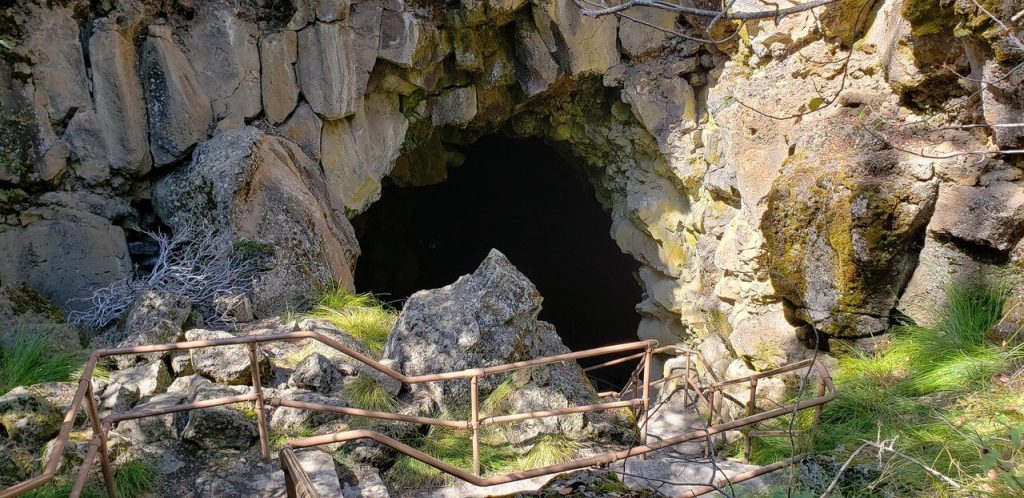
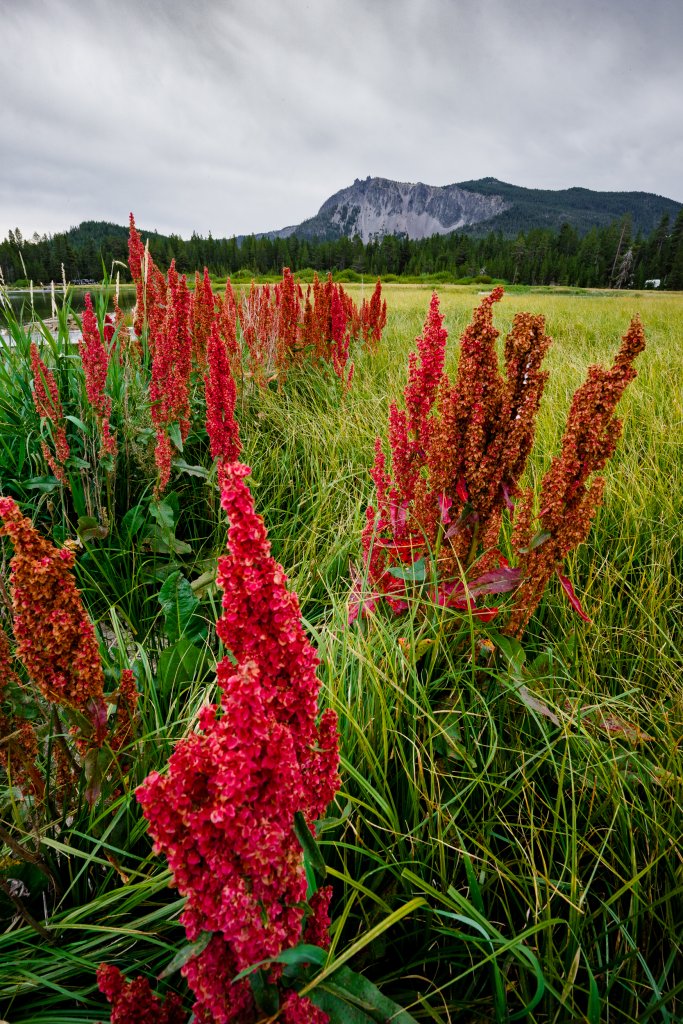
Paulina Peak, Paulina Lake, and Newberry Caldera
You’ll enjoy a whole weekends’ worth of fun in Newberry Caldera. The emptied-out heart of the still-active Newberry Volcano is home to two lakes (and two lakeside lodges), hiking trails, viewpoints, a handful of campgrounds, a cozy visitor center, and other fun stops.
One of the top stops, and also one of the most fun things to do near La Pine in summer, is a visit to Paulina Lake. Between mid-May and mid-October, bring your kayak or stand-up paddleboard, or rent a boat from Paulina Lake Lodge, for a relaxing day on the water. The Paulina Lakeshore Trail also heads through the ponderosa pine forests and lava flows that surround the lake. If you’d like to stay the night, choose among several campgrounds nearby.
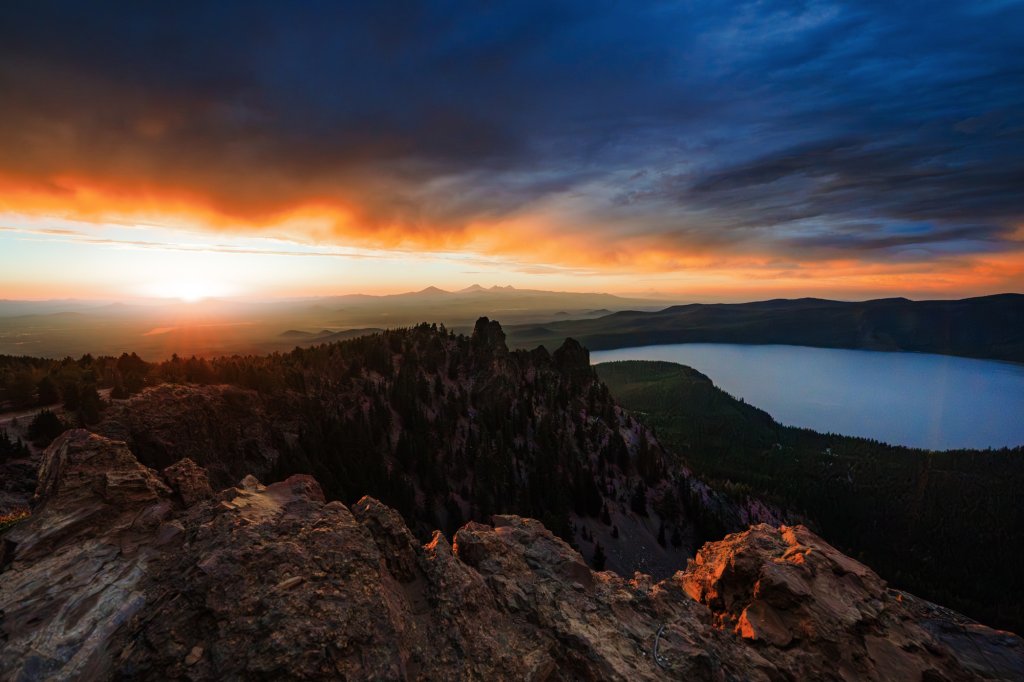
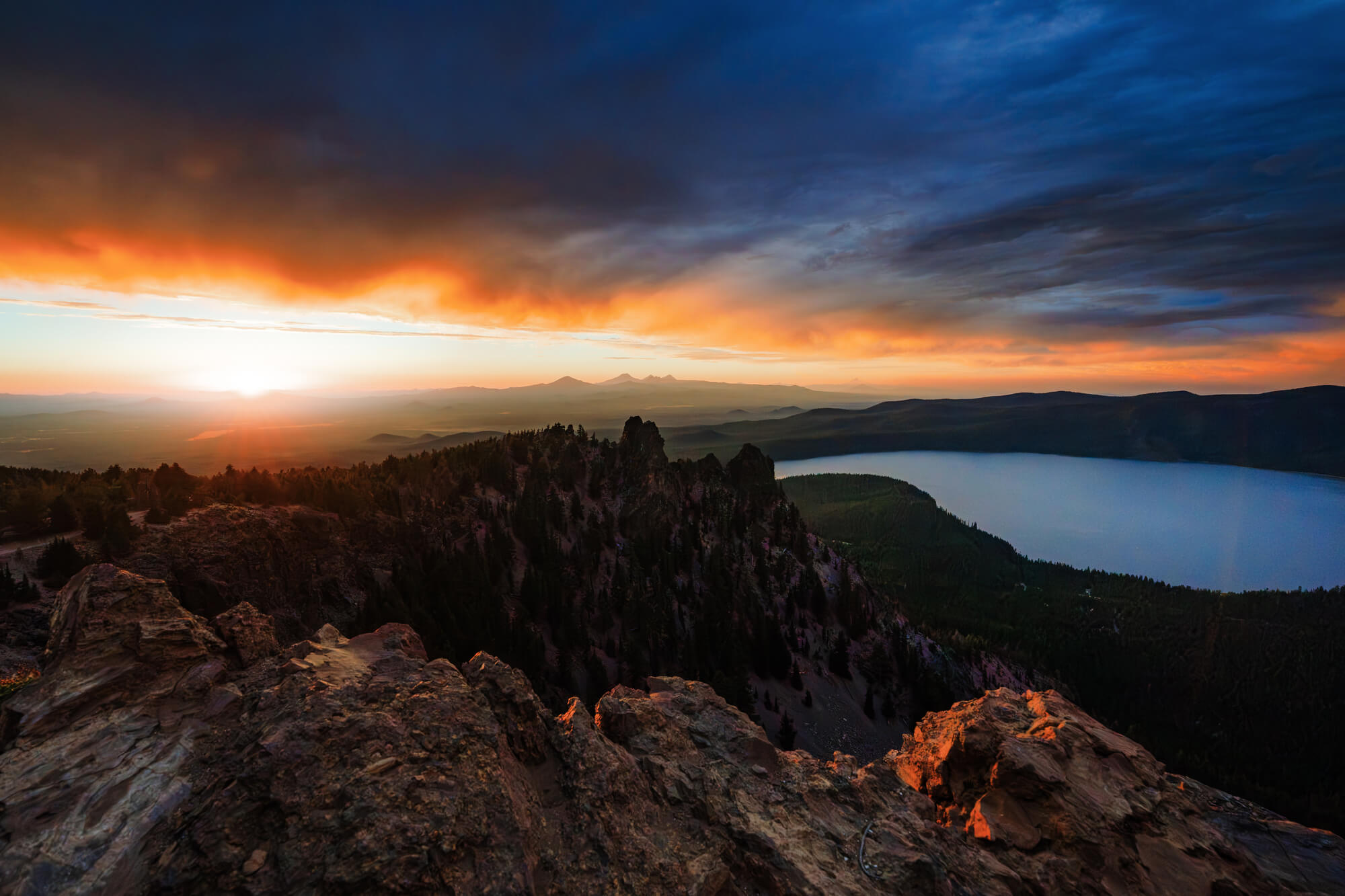
For high-elevation fun, follow a hiking trail, or hop in your car, for a trip to the summit of Paulina Peak. The highest point in Newberry Volcano resides at 7,984 feet and offers wide-open views of the caldera below (including Paulina Lake and the Big Obsidian Flow) and several Cascade peaks to the west.
Big Obsidian Flow: Oregon’s Youngest Lava Flow
If you’re visiting Newberry Caldera, make time to check out the Big Obsidian Flow Trail, one of the best things to do near La Pine. There, a one-mile path ascends into the heart of a 1,300-year-old lava flow; a few interpretive panels explain the importance of the obsidian and pumice surrounding you, and viewpoints showcase the lava flow’s rolling expanse.
Dogs are technically permitted on the Big Obsidian Flow Trail, but the occasionally jagged surfaces may be difficult on their paws; consider leaving Fido in the car for this quick hike. And while we understand wanting a keepsake, please leave any obsidian so others can enjoy the same sites.
Redmond Caves
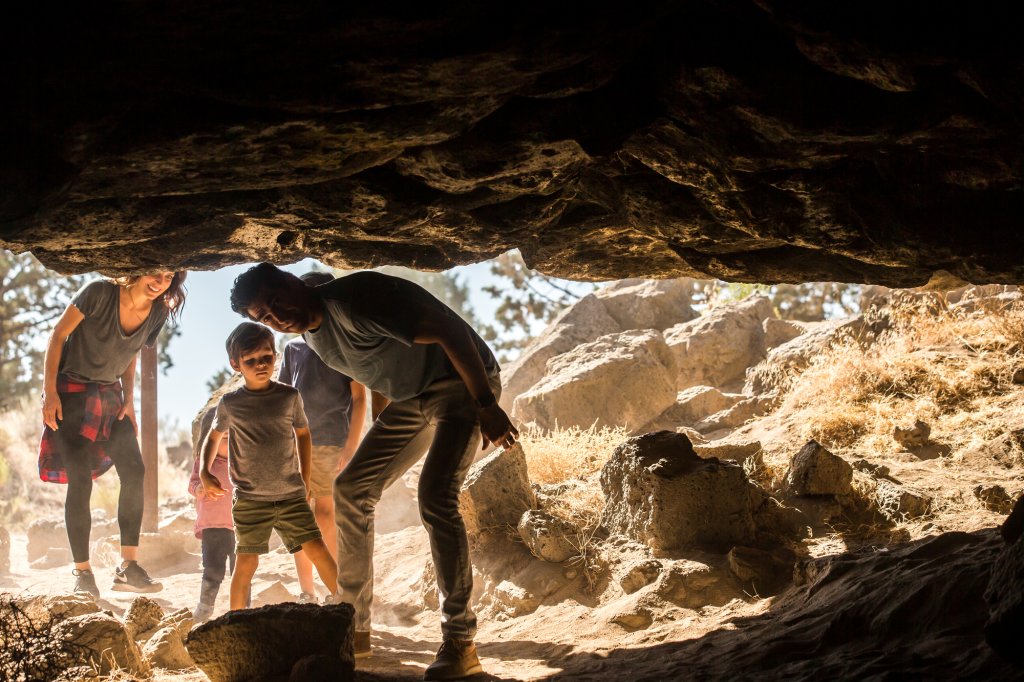
At the southern edge of Redmond sits the Redmond Caves: a series of lava caves that were once part of a now-collapsed lava tube. Today, five are accessible throughout the Redmond Caves Recreation Site. Head underground and into the small caves for a fascinating slice of regional history; cave four, closest to the entrance and parking area, offers the most room to roam.
Before visiting, bring at least three sources of light (none are available at the caves), wear sturdy boots or shoes, and watch for rattlesnakes that live in (and around) the caves
Dee Wright Observatory
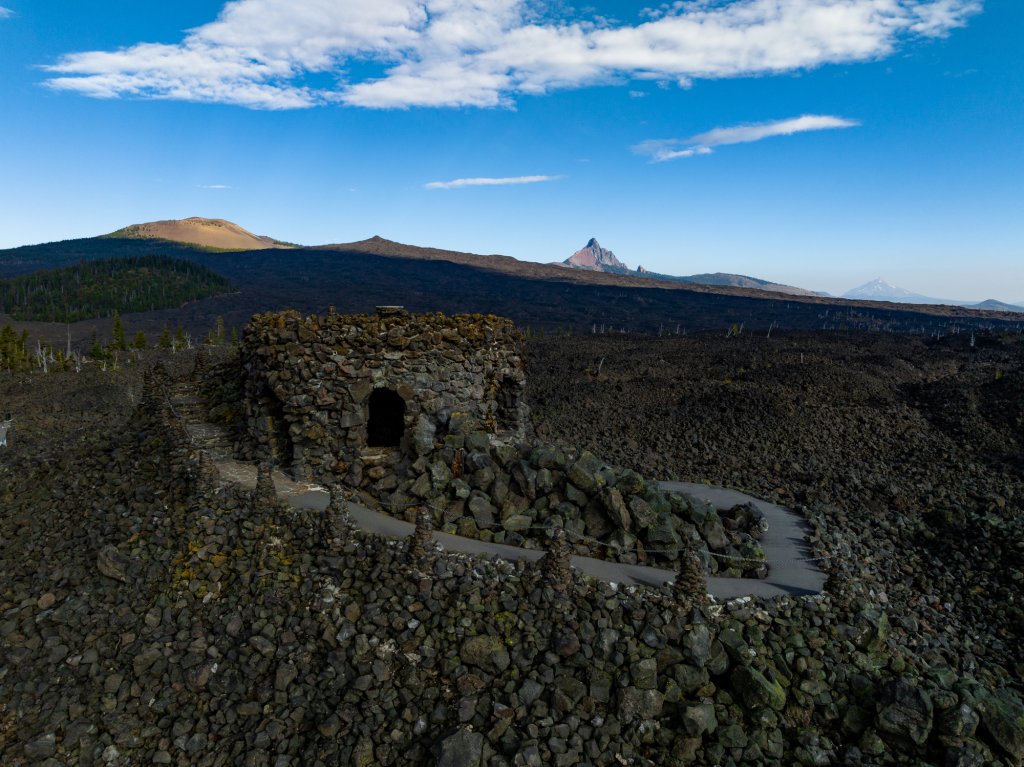
In the heart of the Cascades, Dee Wright Observatory stands surrounded by a miles-long lava flow and is one of our most scenic Central Oregon volcanic sites. Constructed with volcanic rock in 1935, the observatory looks out over a lava flow that erupted from a nearby cinder cone nearly 3,000 years ago; a paved, wheelchair-accessible trail at the observatory’s base heads through that lava flow, and interpretive panels explain how it all happened. On a clear day, the observatory affords views of Cascade peaks in every direction—and is a world-class stargazing destination when the sun sets.
Dee Wright Observatory resides along the McKenzie Highway, which is open between mid-June and October; if visiting in early summer or late fall, visit TripCheck.com to see whether the highway is open for the season.
Planning Your Visit
If you’re hoping to visit Central Oregon volcanic sites, you’ll want to keep a few tips in mind:
Seasonal access: Many of our caves and volcanic sites close in winter, so check with the appropriate land manager (like the Deschutes National Forest) in spring and fall to see whether your desired destination may be open. If parts of Newberry aren’t open on your visit, note that Redmond Caves is open all year long—and that local outfitter Wanderlust Tours leads trips to other caves not mentioned here, even in the off-season.
When to visit: All of our volcanic sites are open at the height of summer, but you’ll enjoy more solitude and if you can plan a post-Labor Day getaway in early or mid-September; back-to-school season means less competition for timed-entry tickets to Lava River Cave and a quieter experience at the likes of Paulina Lake and Dee Wright Observatory. You’ll also enjoy crisp afternoons with plenty of sunshine well into October.
Where to stay: Newberry National Volcanic Monument is between Bend and Sunriver, making either city a popular homebase for visiting its three units. If you’re staying in Redmond, you’ll have easy access to the Redmond Caves at the edge of town. And the city of Sisters is an idyllic launchpad for driving the McKenzie Highway and visiting Dee Wright Observatory.